
Internal communication in a company – role and importance

Communication plays a fundamental role in every aspect of business, which is why it is so important for internal communication in a company to always be of a high standard. The growing popularity of apps and online platforms helps achieve this goal. One of them is Worksmile – a platform designed, among other things, to improve collaboration and internal communication in companies.
This immediately raises the question: what role does internal communication play in a company, and how does the platform help strengthen it?
Internal communication in a company – why it matters
Communication means connection, dialogue and conversation. It is about mutual understanding and the effective exchange of information. In an organisation, it performs a number of important functions:
1. It creates and maintains relationships
Thanks to a good communication policy, relationships within the company – and often outside it as well – are built skilfully and can be maintained through positive interactions with others. Knowing other employees’ interests, strengths and weaknesses enables fruitful cooperation.
2. It makes innovation easier
When employees feel comfortable, collaboration and innovation can reach a very high level. If team members do not speak openly about their ideas, those ideas will never be fully used. The right communication in a company also means a cheerful atmosphere with plenty of understanding and a sense of humour, which translates into greater innovation.
3. It contributes to business growth
Good communication in a company leads to higher productivity and helps avoid unnecessary delays in implementing company policy. Work runs smoothly because everyone is well informed about their responsibilities – at every stage.
Internal communication in a company and management
Efficient internal communication in a company makes it easier for managers to give employees constructive feedback while understanding the personal goals they may have. A manager who understands what feedback is and knows how to give it is valued more, and their team members are more willing to follow their instructions. Praise plays an important role in this process. It raises self-esteem and gives people energy and the motivation to keep going.
Kudos – an effective management tool
Worksmile users are encouraged to express appreciation in the form of so-called kudos. In Greek, kudos means public praise. Today the term refers to virtual rewards and to building a culture of gratitude, feedback and recognition.
The Worksmile app makes it easy to indicate what the reward is for – for example engagement, passion or responsibility. Giving someone kudos can also be a way of saying thank you, for instance for an excellently delivered project.
Every employee can give kudos, but the tool plays a special role in the hands of managers, who can use it to motivate their team to work more effectively. In this way, they have a chance to show what feedback looks like when it is based on a friendly attitude and on recognising the other person’s talents and strengths.
How to improve communication in a company?
Good internal communication in a company rests on many pillars, such as:
• Building clear messages
• Mutual respect
• Frequent contact
• Openness and accessibility of information
• An attractive way of sharing news.
The Worksmile platform makes it easier to meet these principles by connecting employees and allowing them to:
• Understand the company’s vision
• Learn about news, initiatives and company events – made possible by the news feed
• Adapt better to their role.
Worksmile – the ideal tool for improving communication within a company
Worksmile – as the name suggests – creates a workplace where we smile much more often. Being part of interest groups, the option to arrange outings together, receiving points and benefits, giving likes and comments – all of this makes the company a more attractive place to work. As a result, it becomes possible to build a stimulating, dialogue-based environment that benefits everyone, from remote or office-based employees to senior management.
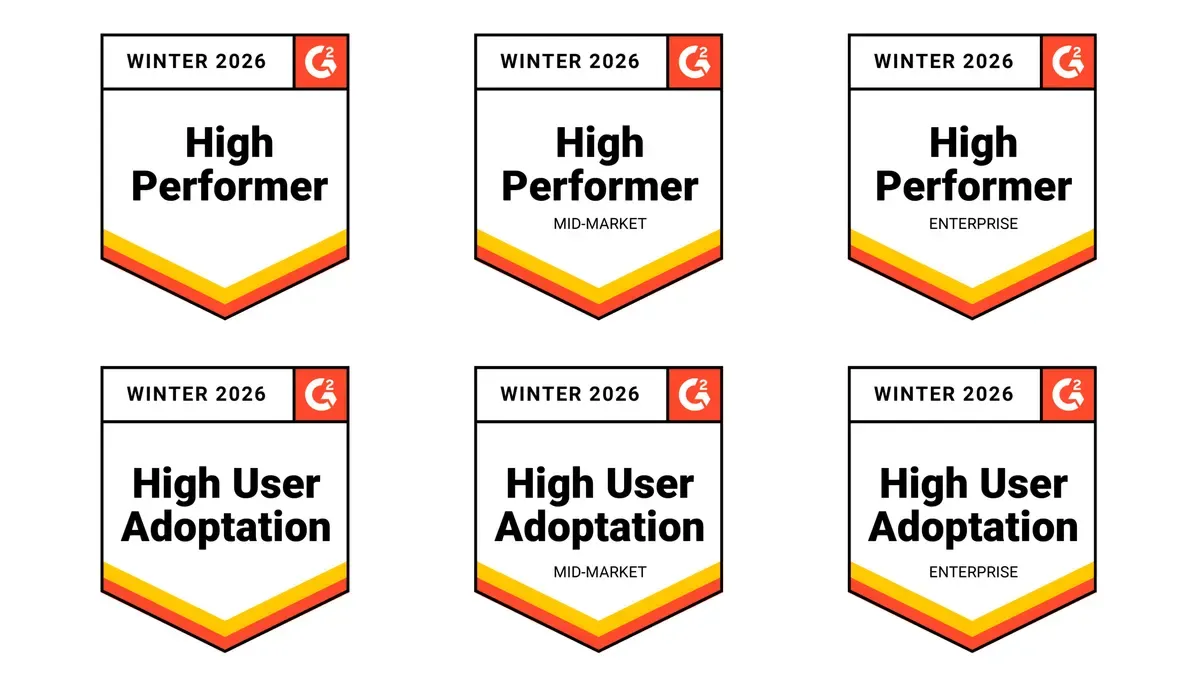
Worksmile wins more G2 awards in Winter 2026: recognition of quality, trust and innovation
In the G2 Winter 2026 report, Worksmile received six badges – High Performer in the Mid-Market, Enterprise and EMEA segments and High User Adoption in the Mid-Market and Enterprise segments – based on verified user reviews.

Centralised internal communication – reach 100% of your employees
How centralising internal communication in Worksmile – targeted channels, campaigns, crisis alerts, surveys, analytics and Microsoft 365 integration – helps organisations reach every employee, whether they work in the office, on the shop floor or remotely.

Employer branding 2.0: how affiliate programmes are changing the HR industry
Technology and standard benefits alone no longer solve HR's biggest challenges – employee engagement and organisational culture. Find out how partner and affiliate programmes, such as the Worksmile partner programme, bring experts and companies together to transform HR.